

Designing Through Rhino & Grasshopper
Using Rhino and Grasshopper, I explore how parametric design can transform ideas into complex, manufacturable forms. Through computational workflows, I develop and refine geometry using adjustable parameters, allowing rapid iteration, experimentation, and optimisation before bringing designs to life through digital fabrication and 3D printing.


Starfish

Final Design
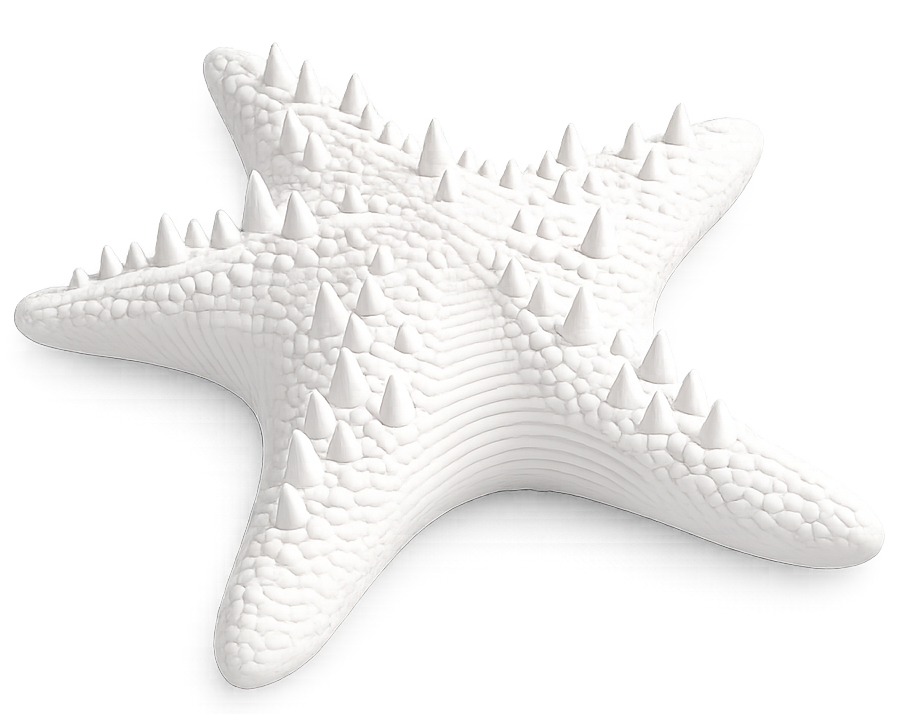
TAPERED ARMS: Arms taper smoothly towards the tips for natural flow
CENTRAL DOME: Raised center that blends into each arm seamlessly
TEXTURED SURFACE: Cone- shaped protrusions vary in size and distribution
RADICAL SYMMETRY: Five arms radiate from the center at equal intervals
Concept Design, 3D Modelling, Slicing & 3D Printing
Inspired by the Chocolate Chip Sea Star, this bio-inspired object explores organic form, texture, and natural surface patterning through digital fabrication. The design also draws influence from Le Corbusier and Alvar Aalto, combining sculptural biomimicry with soft architectural curves.


Print Specifications
3D Printer: Bambu Lab P2S
Material: PLA
Total Weight: 26.87 g
Estimated Print Time: 01:23:29
Estimated Cost: $4.68
Layers: 63
Range Height: 12.6 mm
Crown

Final Design

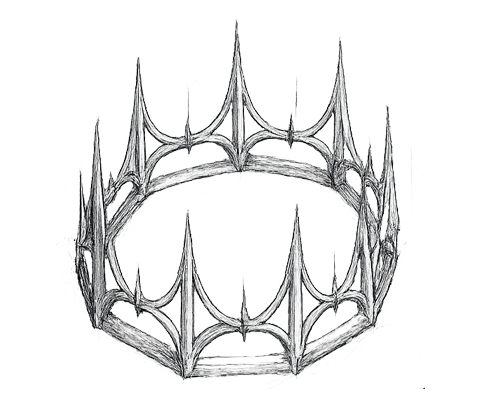
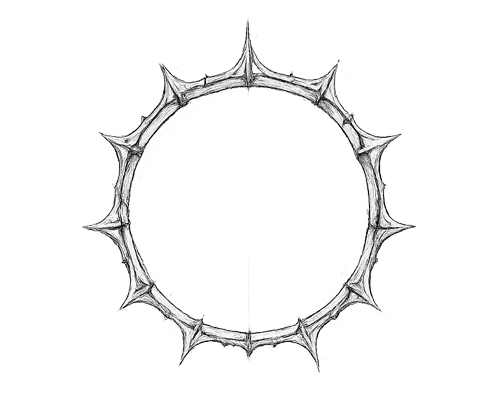
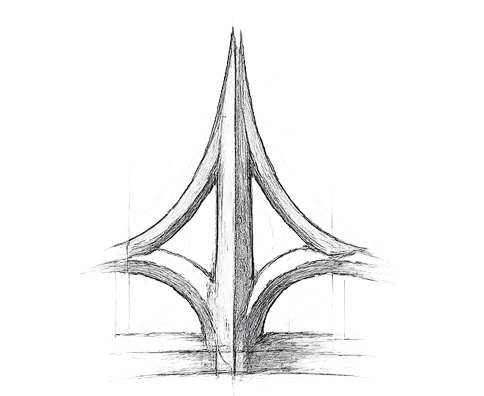
Using Rhino and Grasshopper, I developed a parametric workflow that allowed the crown geometry to be generated and adjusted through a series of controllable parameters. Height, spike density, curvature, spacing, and branching structures could be modified rapidly to explore multiple design variations.
Biomimetic Crown Design
Inspired by the intricate skeletal structures and protective forms found in marine organisms, this bio-inspired crown explores the relationship between natural growth patterns and architectural elegance through parametric design. Drawing influence from Gothic arches, organic branching systems, and the sculptural philosophies of Le Corbusier and Alvar Aalto, the design combines delicate structural geometry with flowing curves to create a wearable piece that balances strength, lightness, and visual complexity.

Print Specifications
3D Printer: Bambu Lab P2S
Material: PLA Basic — Maroon Red
Total Weight: 18.55 g
Estimated Print Time: 01:19:49
Estimated Cost: $4.12
Layers: 272
Range Height: 54.6 mm
Extrusion: Shown in slicer preview
Martini Glass


Final Design
Using Rhino and Grasshopper, I developed a parametric workflow that enabled the martini glass geometry to be generated and refined through a series of adjustable parameters. Glass height, bowl depth, rim profile, stem twist, base diameter, and olive holder placement could be modified rapidly, allowing multiple design variations to be explored while balancing aesthetics, stability, and functionality. The parametric approach supported efficient iteration and optimisation before fabrication through 3D printing.
Twisted Martini Glass
Inspired by the fluid motion of poured liquid and the elegance of contemporary cocktail culture, this 3D-printed martini glass explores the relationship between organic movement and functional design through parametric modelling. Drawing influence from sculptural forms, flowing geometries, and modern product design, the glass combines a dramatic twisting stem with an integrated olive holder, creating a distinctive silhouette that balances stability, usability, and visual impact. The design transforms a familiar object into a statement piece, showcasing how digital fabrication can merge functionality with expressive form.


Print Specifications
File: Martini_Glass_plate_1.gcode
3D Printer: Bambu Lab P2S
Material: PLA Basic – White
Manufacturing Process: FDM 3D Printing
Layer Height: 0.20 mm
Support Material: Enabled for stem overhangs
Print Orientation: Vertical